Showing posts with label memes. Show all posts

Thursday, November 21, 2013

Rise of the Honey Badger


In a chapter of A New Literacies Sampler titled ‘Online Memes, Affinities, and Cultural Production’, the author illustrates the parameters for a meme as well as several examples of qualifying pieces of media. Although he is careful to clarify that a meme does not need to be media (memes have existed far longer than modern technology) today’s memes are generally viral media content that spread quickly from person to person, not unlike the biological spread of a virus.  According to Richard Dawkins, a meme must have longevity, fidelity, and fecundity in order to be successful; that is, the length it can survive, its replicability, and the rate the meme is copied and spread.
One example of a popular meme is the video “The Crazy Nastyass Honey Badger” narrated by Randall, which has over 63 million views on YouTube.


           The video consists of footage from a nature documentary about the honey badger with a humorous voiceover by Randall. It went viral after being posted in 2011, even being referenced in television and by famous athletes who announced they would emulate the honey badger’s attitude of  “take what you want regardless of others” and “Honey Badger don’t give a shit”. There were several similar videos preceding “The Crazy Nastyass Honey Badger”, but none of them received as much media attention as Honey Badger did. They were all variations on the theme of a comedic voiceover of nature documentary excerpts, some examples of which are “I Hate Nature” and  “Fuck Planet Earth”.


 “I Hate Nature” is considered by Know Your Meme to be the earliest precursor to Honey Badger. However, “Spiders on Drugs” is also reminiscent of the Honey Badger video’s style, and was uploaded in 2006 with currently over 34 million views on YouTube. “The Crazy Nastyass Honey Badger” video itself has not changed over the years, however, due to its success and viral spread the narrator created a series of similar videos titled “Randall’s Wild Wild World of Animals”. Randall has also created commercials in the same narrative style and narrated a commercial for the television show Mythbusters, among other things.

            “The Crazy Nastyass Honey Badger” video fits Dawkins’ parameters of meme success; fidelity, longevity, and fecundity. Due to its unique narration style the video is certainly memorable, and the layout (comedic voiceover to nature scenes) is easily replicated by others who may wish to create similar videos. It certainly was not difficult for Randall, as “Randall’s Wild Wild World of Animals” has over 160 videos, some of which feature Randall singing popular songs in the same tone and style he used for Honey Badger, titled “Honey Badger Sings”. Other users have created songs and remixes to the Honey Badger video, and a series of photographic memes have also sprung up.


            The video also possesses longevity; even though it is no longer so viral, it is still a highly viewed video and views continued to spike a year after its release. More so, its longevity exists in the people who have seen the video; although it is likely better known among young people, a huge number of people know what Honey Badger refers to and likely will for a long time. Finally, its fecundity is undeniable; it spread quickly from erson to person, largely due to its carefree comedic element. Additionally, since the video is only 3 ½ minutes long, it was not difficult for people to show their friends which also contributed to its spread.

Tuesday, November 19, 2013

The Penguin in Us All

At one time or another, everyone has felt like they just don’t fit in. The Socially Awkward Penguin puts these feeling into words in just the right way.


This meme is a part of the Advice Animals that are easily recognized by their colorful background and their animal at the center. This one specifically “features a penguin lacking both social skills and self-esteem” (Know Your Meme). The words usually are centered around uncomfortable situations that end in “an exceptionally clumsy or inelegant response.”

The original image of the penguin comes from the National Geographic’s Wild Animals site on a fact sheet on Adéli penguins. This meme began appearing on 4chan as early as 2009 following the popularity of Advice Dog and Courage Wolf. In May, an anonymous user named the penguin as the Socially Awkward Penguin, and the name stuck. From there, SAP was used liberally in 4chan in various different boards, which means a lot of people were able to connect with it, or simply understood the comedy of That Awkward Moment. It jumped to Reddit on September 25th, 2009, when a poster was seeking assistance for his anxiety. Another user, parttimehuman, used the reference to reassure him that he wasn't the only one that felt it.


After this use, various different websites began to use the SAP, such as Buzzfeed, Smosh, Facebook, and blogs such as this one. As it is inevitable for memes to remain untouched, numerous reversals were created, the most notable ones being the Socially Average Penguin, and the Socially Awesome Penguin.


There have also been hybrids created, turning up with the “Socially Awesome Awkward Penguin” which begin really well, but then things go downhill.


The reason I chose this meme is because I feel that even though it began in 2009, the meme itself and the humor it presents is still relatable and enjoyable. Richard Dawkins’ model of a good meme requires three things; fidelity, fecundity, and longevity. Through some discussion in class, we decided to adjust these terms to replicability, intertextuality, and durability. I find the SAP to follow these three requirements very closely. For one thing, it is very easy to find multiple social situations in real life that can translate to the SAP which makes it easy to replicate it in various forms. Next, everyone has had that situation where they hope that no one has seen.


Finally, the awkwardness of life is still around after 4 years, and as long as humans have social rules, people will inevitably stumble their way through all of them. I just love the SAP because he allows us to laugh at what might have regretted. When a meme can turn something uncomfortable into laughter that many people can share, it means it has succeeded. The Socially Awkward Penguin has succeeded.


Saturday, November 19, 2011

LOL Cats and Other Memes

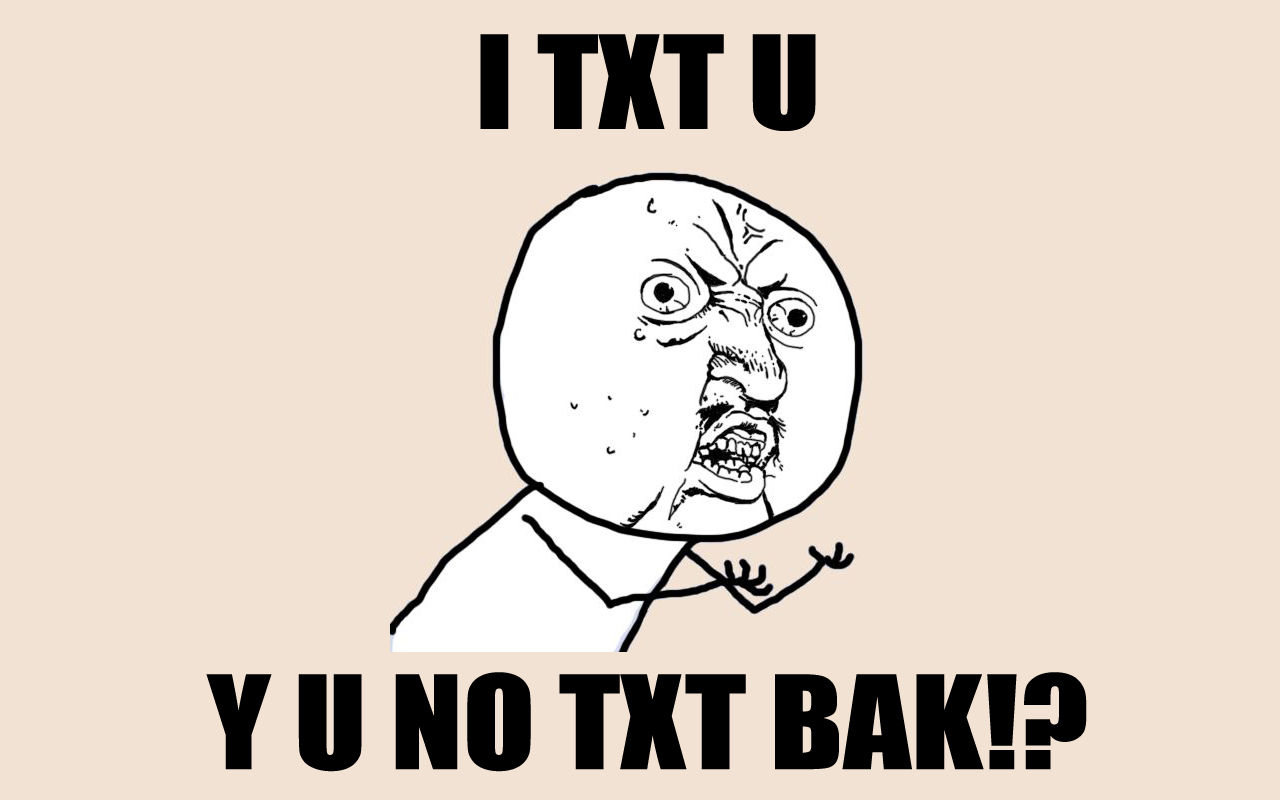
            While you surf the web, you may come across many random silly pictures. Many times they are with animals making funny faces, or cats with horrible spelling or a picture of a celebrity photo shopped into random situations. These are called Internet memes. A meme is a concept or idea that spreads person to person in a culture. So that means that an Internet meme is a concept or idea that spreads from person to person in the Internet culture.
            Internet memes often parody or mock something in society. Whether it is a video game reference or just a random dumb picture, there are thousands of memes on the Internet. Memes are normally spread through email, social networking or blogs. When captions are included they are often spelled wrong (as seen in LOL cats). For example, more will be come “moar” or like will be come “leik” or the becomes “teh”.
            The source for most Internet has been from 4chan. This is because it is a message board and often people’s reactions can be in the form of pictures. Other sites like Reddit or Tumblr are also places where memes are often born.  
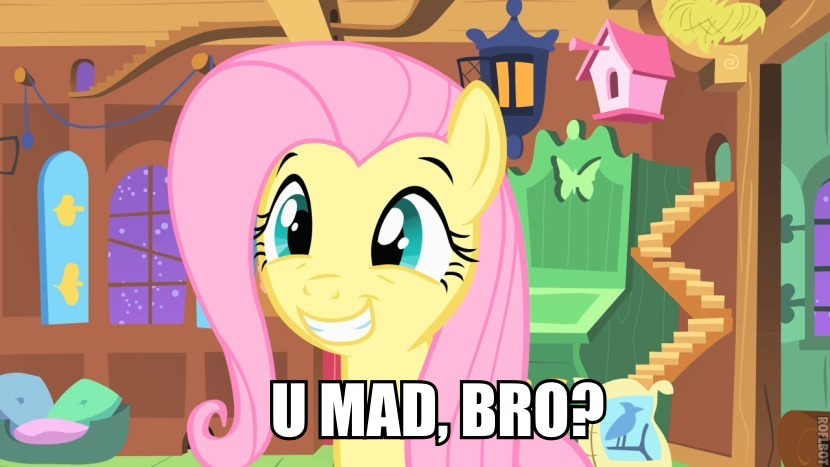
            Many people look at Internet memes and shake their head at the stupidity of what they have just witnessed. I will be perfectly honestly, most if not all memes are completely dumb and honestly have no point. Yet they are still hilarious. I guess you could just say that it is born from our culture on the Internet. We often use memes as inside jokes with our friends it is great! Knowing memes can even help get people into new groups of friends or interests. For example take my friend Ted. He was familiar with the “u mad, bro?” meme and he and his friend often sent pictures of it to each other. One day Ted got a picture that had a pony on it that said u mad, bro? He looked up what the pony was from and ended up getting hooked on My Little Pony: Friendship is Magic (which also is huge in the meme world at the moment). 
            If you wish to find out more information about memes or memes and their origins you can visit the site Know Your Meme at here.